
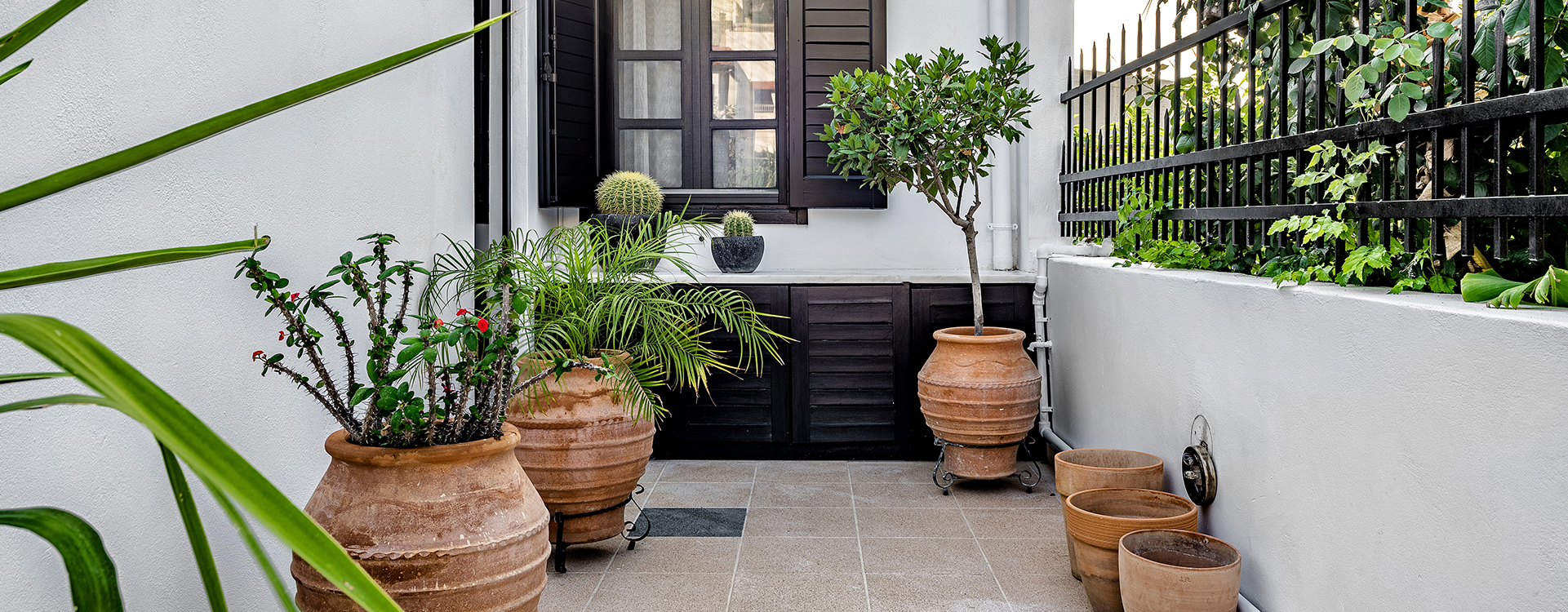

Sustainable botanical lifestyle
Cultivating green living spaces
Integrating natural elements into daily environments creates a seamless transition between the indoors and the open air. Biophilic design principles encourage the use of organic textures and living greenery to purify the atmosphere while establishing a serene, restorative domestic sanctuary.
Seasonal garden selection

Curating diverse plant collections


Perennial foliage varieties
Robust evergreen shrubs provide year-round structure and visual continuity in any border.

Vibrant flowering annuals
Seasonal blooms inject dynamic splashes of color that evolve with the changing climate.

Drought-resistant succulents
Fleshy leaves store moisture effectively, requiring minimal irrigation while offering sculptural geometric shapes.

Aromatic herbal gardens
Fragrant lavender and rosemary serve dual purposes for culinary use and sensory enjoyment.
Interior design harmony
Harmonizing interiors with nature
Bringing the outdoors inside involves more than placing a few potted plants on a windowsill. Strategic interior landscaping utilizes vertical green walls and hanging planters to maximize floor space while softening architectural lines. Natural light dictates plant placement, ensuring that tropical varieties thrive near south-facing apertures while ferns occupy shaded corners. This integration of living decor improves indoor air quality and introduces a calming, organic aesthetic to modern living rooms and study areas.
Urban terrace oases
Maximizing small outdoor spaces

Vertical gardening solutions
Trellises and wall-mounted pockets utilize vertical planes to cultivate climbing vines, effectively doubling the available planting area on compact balconies.
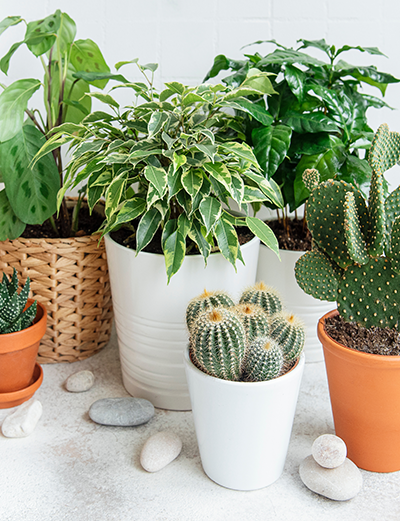
Modular container systems
Lightweight pots with built-in reservoirs allow for flexible layouts, enabling easy reconfiguration of the terrace based on sun exposure.
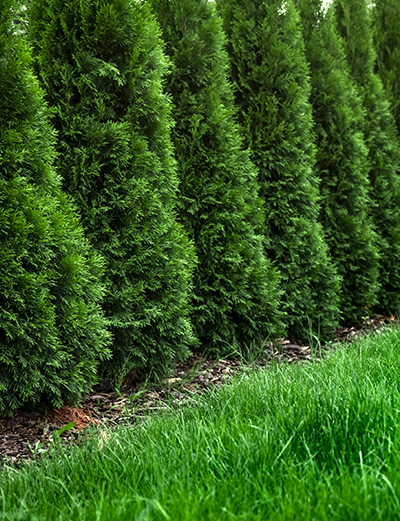
Privacy screening plants
Tall grasses and dense bamboo clusters create natural barriers, shielding intimate seating areas from overlooking neighbors and reducing urban noise.
Landscape architecture principles
Sculpting the external environment
Successful landscaping balances hardscaping elements like stone pathways with the softness of flower beds. Analyzing soil composition and local microclimates ensures that the chosen vegetation establishes strong root systems, creating a resilient ecosystem that thrives through seasonal shifts and weather patterns.
Organic decorative accents
Crafting natural floral decor
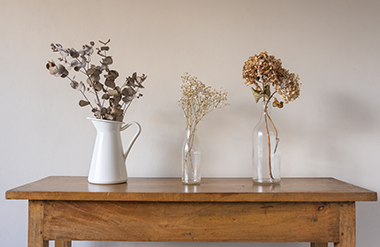
Dried floral arrangements
Preserving blooms through air-drying techniques captures their structural beauty, creating long-lasting centerpieces that require zero water or maintenance.
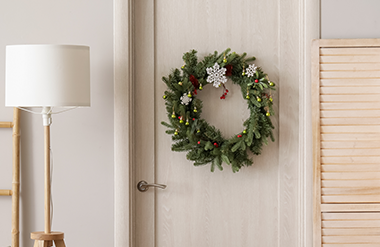
Seasonal wreath making
Weaving flexible willow branches with fresh eucalyptus and pine cones results in welcoming door ornaments that celebrate the current season.
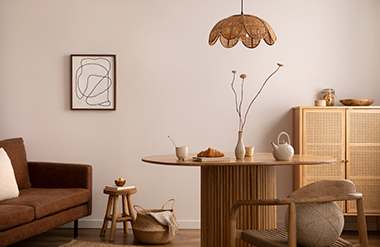
Botanical table settings
Incorporating moss runners and driftwood pieces into dining arrangements brings a rustic, tactile elegance to festive gatherings and meals.
Outdoor furniture selection
Selecting durable garden furnishings
Choosing the right materials is crucial for longevity in exterior furnishings exposed to the elements. Teak and treated acacia offer natural resistance to moisture and decay, while powder-coated aluminum frames provide lightweight stability against strong winds without succumbing to rust or corrosion.
Sustainable maintenance practices
Establishing a routine for garden care involves understanding the specific hydration needs of each species. Installing drip irrigation systems delivers water directly to the root zones, minimizing evaporation and preventing fungal diseases on foliage. Regular pruning encourages healthy growth and maintains the desired shape of shrubs, while checking for pests ensures the longevity of the landscape.